產(chǎn)品中心
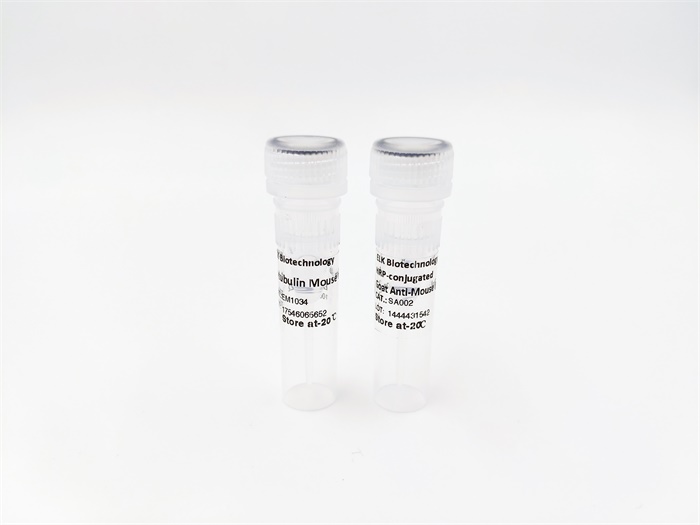


MRP-L40 rabbit pAb
 一鍵復(fù)制產(chǎn)品信息
 規(guī)格: 規(guī)格: |
 價(jià)格: 價(jià)格: |
|---|---|
| 50μL | ¥1280.00 |
| 100μL | ¥1980.00 |
 下載說(shuō)明 ①
Overview
-
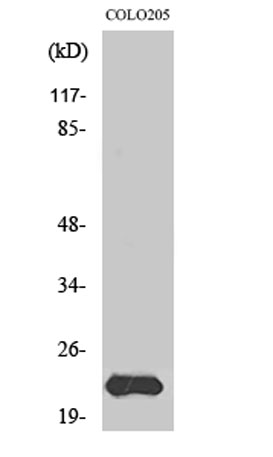
Western Blot analysis of various cells using MRP-L40 Polyclonal Antibody diluted at 1:1000
-
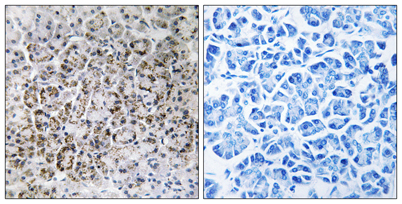
Immunohistochemistry analysis of paraffin-embedded human pancreas tissue, using MRPL40 Antibody. The picture on the right is blocked with the synthesized peptide.
-
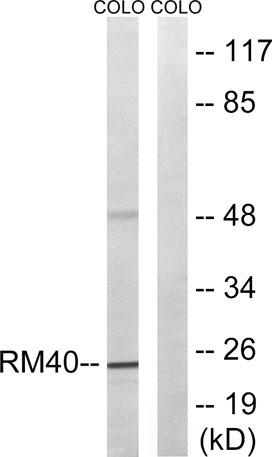
Western blot analysis of lysates from COLO cells, using MRPL40 Antibody. The lane on the right is blocked with the synthesized peptide.
-
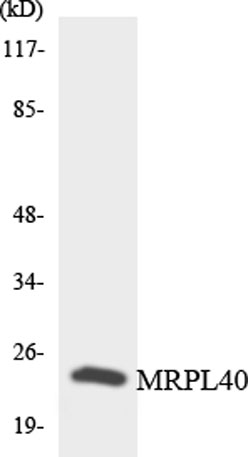
Western blot analysis of the lysates from Jurkat cells using MRPL40 antibody.
關(guān)閉
在線咨詢
Online consultation
-
 在線咨詢
在線咨詢
-
 技術(shù)支持

關(guān)注微信公眾號(hào)


關(guān)閉